


-

- DISCOVER SIKHISM
- SIKH GURUS
- Sikh Gurus
- Sri Guru Nanak Sahib Ji
- Sri Guru Angad Sahib Ji
- Sri Guru Amar Das Sahib Ji
- Sri Guru Ram Das Sahib Ji
- Sri Guru Arjan Sahib Ji
- Sri Guru Hargobind Sahib Ji
- Sri Guru Har Rai Sahib Ji
- Sri Guru Harkrishan Sahib Ji
- Sri Guru Tegh Bahadur Sahib Ji
- Sri Guru Gobind Singh Sahib Ji
- Sri Guru Granth Sahib Ji
- GURDWARAS
- SIKH LIBRARY
- DAILY HUKAMNAMA
- MORE
- KIRTAN
- LIVE TV
- ABOUT US

-
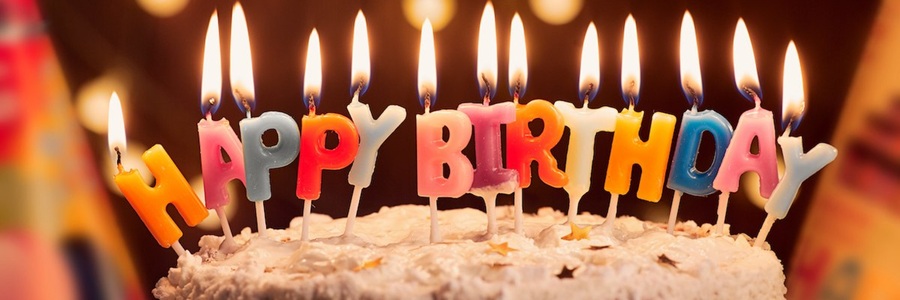 Haumai
"I am special."
"I deserve attention."
"I am the reason everyone is gathered here."
"Look at what I have accomplished."
-
Haumai
"I am special."
"I deserve attention."
"I am the reason everyone is gathered here."
"Look at what I have accomplished."
-
Haumai
"I am special."
"I deserve attention."
"I am the reason everyone is gathered here."
"Look at what I have accomplished."
Birthdays
The mirror of mindfulness: when birthdays feed the ego (haumai).
In an age obsessed with visibility, validation, and personal branding, birthdays have become more than simple commemorations of birth. They have transformed into annual rituals of self-celebration, where attention, praise, and recognition are directed toward the individual. What was once a quiet acknowledgment of life’s passing now often serves as a stage for the glorification of the self.
Through the lens of Sikh philosophy, this cultural shift raises a profound spiritual question. Sikhism does not prohibit birthday celebrations, but it emphasizes the inner state of the mind, particularly awareness and control of Haumai—the false ego or “I-ness” that separates the individual from the Divine.
The concern is not the calendar date itself, but whether any action—celebratory or otherwise—nourishes the ego or cultivates humility, selfless living, and remembrance of the Divine.
Birthdays in Punjabi Tradition: From Communal Life to Individual Celebration
In traditional Punjabi society, birthdays were not celebrated as individualised annual events. Age was measured by seasons, agricultural cycles, or significant family and religious milestones, rather than by precise yearly anniversaries.
Life was lived in collective rhythms. Weddings, religious observances such as Gurpurabs, and other communal events were the primary occasions for celebration. These moments reinforced shared values, spiritual awareness, and community identity, rather than personal recognition or self-glorification.
Modern birthdays, with their rituals of personal spotlight, gifts, and admiration, are a relatively recent cultural development, fueled by urbanisation, globalisation, and consumer culture. While these celebrations may seem harmless, the shift from communal remembrance to individual attention carries profound spiritual implications. It can subtly amplify Haumai, encouraging self-centered thought and attachment, rather than humility and reflection on the Divine.
The Birthday Trap: When Ego Becomes the Guest of Honour
A typical modern birthday celebration may appear harmless, but from a Sikh perspective it raises a critical spiritual concern: what exactly is being celebrated?
For a few hours, the individual becomes the centre of attention. The day revolves around their name, their achievements, their desires, and their recognition. Family and friends gather to honour the self, praise the self, and elevate the self. In a culture saturated with self-promotion, birthdays often become annual rituals that feed the very "I" Sikh teachings urge us to overcome.
The Gurus identified Haumai as one of the greatest obstacles on the spiritual path. Yet the modern birthday encourages the mind to think:
"I am special."
"I deserve attention."
"I am the reason everyone is gathered here."
"Look at what I have accomplished."
These thoughts, subtle and often unconscious, arise from the illusion of separateness described in Gurbani as Haumai. Ego does not always appear as arrogance—it often hides behind celebration, recognition, and the desire to feel important.
ਹਉਮੈ ਮਮਤਾ ਮੋਹਣੀ ਸਭ ਮੁਠੀ ਅਹੰਕਾਰਿ ॥੧॥ ਰਹਾਉ ॥
Ha▫umæ mamṫaa mohṇee sabʰ mutʰee ahaⁿkaar ||1|| rahaa▫o ||
Egotism and possessiveness are very enticing; egotistical pride has plundered everyone. ||1||Pause||
~ Sri Guru Granth Sahib Ji, Guru Nanak, Sri Raag, Ang 18
The danger is not the cake, the gifts, or the gathering itself. The danger lies in nourishing the ego. Every compliment, every expression of admiration, and every moment of personal spotlight strengthens Haumai. Rather than turning the mind toward the Divine, modern birthday celebrations risk turning it inward, toward self-concern and attachment.
Understanding Haumai: The Spiritual Disease
Haumai is not a mere personality flaw—it is a deep, chronic spiritual disease that blinds human beings to their connection with the Divine. It convinces the individual that they are independent, the doer, and the center of reality. Under its influence, the mind is trapped in endless cycles of self-concern, seeking recognition, validation, and importance.
The Sri Guru Granth Sahib Ji warns:
ਮਨ ਅੰਤਰਿ ਹਉਮੈ ਰੋਗੁ ਹੈ ਭ੍ਰਮਿ ਭੂਲੇ ਮਨਮੁਖ ਦੁਰਜਨਾ ॥
Man anṫar ha▫umæ rog hæ bʰaram bʰoolé manmukʰ ḋurjanaa ||
Deep within the mind is the disease of ego; the self-willed Manmukhs, the evil beings, are deluded by doubt. ||
~ Sri Guru Granth Sahib Ji, Guru Ram Das, Ang 301
Feeding Haumai leads a person to become a Manmukh—self-centered and guided by pride, desire, and illusion—rather than a Gurmukh, one oriented toward God and divine humility.
Reframing the Passage of Time
Every birthday marks not merely another year lived, but one less year remaining. Modern celebrations often obscure a more uncomfortable truth: life is finite, and the opportunity for spiritual awakening is fleeting. Sikh philosophy teaches that each moment is precious and belongs to the Divine (Hukam). The question is not what we have achieved, but how we have used the time granted to us.
Marking a birthday with indulgence, extravagance, or attention-seeking risks missing this deeper spiritual opportunity. Instead of centering the self, the day can become a moment to ask: “Am I closer to the Divine than I was last year?”
The Precious Gift of Human Birth
Human life is not merely a gift; it is a responsibility. Sikh teachings describe human birth as a rare opportunity for spiritual reflection and moral choice. Each day invites us to move beyond Haumai, cultivate humility, remember the Divine through Naam, and act in selfless service.
From this perspective, each day is a milestone. Rather than reserving reflection for a single annual occasion, Sikh practice encourages continual awareness of the Divine. Life is not measured by celebrations, but by the quality of one's remembrance, humility, and service. Every breath becomes an opportunity to reflect: has this year drawn me closer to truth, awareness, and spiritual growth?
Conclusion: Birthdays Through the Lens of Haumai
The greatest irony of the modern birthday is that it often celebrates the very ego Sikh spirituality seeks to dissolve. The self longs to be noticed, praised, and elevated. The Gurus, however, taught the opposite path: humility over self-importance, remembrance over recognition, and surrender over self-glorification.
The true question is not whether a Sikh may celebrate a birthday. It is what is being celebrated. If the day strengthens Haumai, it distances the individual from the Divine. If it inspires gratitude, humility, and remembrance, it can become a moment of genuine spiritual reflection.
The ultimate milestone is not another year of existence—it is another step away from ego and toward the Divine.
 Back to Gurmat Gyan (English) List