


-

- DISCOVER SIKHISM
- SIKH GURUS
- Sikh Gurus
- Sri Guru Nanak Sahib Ji
- Sri Guru Angad Sahib Ji
- Sri Guru Amar Das Sahib Ji
- Sri Guru Ram Das Sahib Ji
- Sri Guru Arjan Sahib Ji
- Sri Guru Hargobind Sahib Ji
- Sri Guru Har Rai Sahib Ji
- Sri Guru Harkrishan Sahib Ji
- Sri Guru Tegh Bahadur Sahib Ji
- Sri Guru Gobind Singh Sahib Ji
- Sri Guru Granth Sahib Ji
- GURDWARAS
- SIKH LIBRARY
- DAILY HUKAMNAMA
- MORE
- KIRTAN
- LIVE TV
- ABOUT US

1984 Delhi Genocide - Genocide Denial
|
|
|
|
|
|
|
|

Genocide? What genocide?
Gregory H. Stanton, formerly of the US State Department and the founder of Genocide Watch, lists denial as the final stage of genocide development:
"Denial is the eighth stage that always follows a genocide. It is among the surest indicators of further genocidal massacres. The perpetrators of genocide dig up the mass graves, burn the bodies, try to cover up the evidence and intimidate the witnesses. They deny that they committed any crimes, and often blame what happened on the victims."
Leading British MP Slams 'Genocide Denial' And Calls For UN Intervention
A powerful statement from a leading UK parliamentarian has given a major boost to efforts aimed at securing an international tribunal to punish those guilty of the genocide of Sikhs in India in November 1984. Fabian Hamilton MP is a highly respected figure at Westminster and is seen as an expert on foreign affairs.
His comments recall how the Sikhs, during the Second World War helped to liberate the Jews from their Holocaust, saying it is now right that the world "put an end to genocide denial in the context of what happened to the Sikhs in India in November 1984".
Releasing the statement of Mr. Fabian Hamilton MP UK Parliament in the press conference, S. Karnail Singh Peermohammad President of All India Sikh Students Federation welcomed the statement from Mr. Hamilton by saying this will give real impetus to efforts to bring the killers to justice.
AISSF President also appreciated the work done by U.K Based Sikh campaigner S. Ranjit Singh Srai and S. Amrik Singh Sahota in bringing the Sikh Genocide injustice on International level. He said the victims' families would see this intervention as a significant contribution to their struggle and that the entire Sikh nation would deeply appreciate Fabian Hamilton's principled comments.
Recent weeks have seen Sikhs across the world, on the 30th anniversary of the bloodshed, demand international action to punish the guilty following three shameful decades of refusal by Indian authorities to take any meaningful steps.
Citing the 'Punjab Bandh' of 1st November 2014, led by the All India Sikh Students Federation and victim's families, the statement reflects disappointment that the new Indian Government has failed to distance itself from the failures of the past by coming forward with proposals to address the "grotesque injustice".
Mr. Hamilton, who serves as chairman of the All Party Parliamentary Group for British Sikhs, has expressed horror at the impunity given to the perpetrators of the "abominable crimes" which led to the deaths of thousands of Sikhs whilst "the security forces, government and judiciary watched as mute spectators".
The statement castigates those that still refer to the pogroms as "riots" and concludes that the motivation behind that may well be that Indian politicians fear the implications of India being found in breach of their obligations under the Genocide Convention 1948.
India is a signatory to that key international treaty and, under its terms, has undertaken to take effective action to both prevent genocide and to punish those responsible for it. India has "clearly breached" those legal obligations and instead shielded the perpetrators, "many of whom have since enjoyed high office".
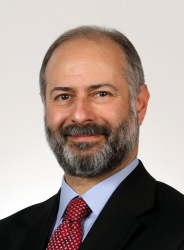
Fabian Hamilton, Member of Parliament for Leeds North East (United Kingdom) |
The senior MP calls on the UK Government, as a member of the UN Security Council, to initiate steps at the UN in order to deliver an impartial judicial investigation which "is now perhaps the only realistic hope that justice can be achieved". He notes the recent condemnation by both Amnesty International and Human Rights Watch of the impunity which has cast "a dark shadow of shame over India's standing in the international community".
Interestingly he invites the new Indian Prime Minister to agree to an international judicial probe. This follows a recent 'open letter' to Narendra Modi from Karnail Singh Peermohammad, President of the All India Sikh Student Federation, which also called for the BJP leader to substantiate his claim of bringing "ache din" with his premiership by accepting Sikh demands for a UN criminal tribunal.
AISSF’s President said that the Sikh nation is determined to ensure the guilty are held accountable for the heinous crimes of November 1984 and that he sincerely hopes that other world leaders would now step forward to back international action.
Peer Mohammad announced that this campaign will be taken forward in Jalandhur in Punjab on 10 December when an event, marking World Human Rights Day, will once again call for the genocide perpetrators to face an international criminal tribunal.
He called on those who believe in justice and the rule of law to participate in the event and, once again, remind the villains that they will be pursued until justice is served.
Credit: Sikh Siyasat (6th December 2014)
This article is significant because it highlights India's fear of the word 'GENOCIDE'. Why?
Because India signed the 'Convention on the Prevention and Punishment of the Crime of Genocide' (Adopted by Resolution 260 (III) A of the United Nations General Assembly on 9 December 1948) on 29th Nov 1949.
India formally ratified (gave formal consent to (a treaty, contract, or agreement), making it officially valid) the convention on 27th Aug 1959.
Indira Gandhi's father, Jawaharlal Nehru was the Prime Minister of India during this time. So, it is ironic that the Gandhi family agreed to 'prevent and punish the crime of genocide' and then led the political party that committed Genocide and subsequently prevented punishment of those involved.
As a signatory, India is accountable to the International Community and must answer for its breach of responsibilities.
After the Jewish holocaust of World War 2, Germany was in denial for many years. India is still in denial of its evil.
It is the duty of all Sikhs to ensure injustices do not continue. If India thinks it can avoid its obligations, what will it do next?
 Back to More Important Articles To Read